The Heaviest Armour: Finding Your Core Self at Sword Point


Crossing the Threshold
When the bus entered the Ardtornish Estate, I felt head-to-toe goosebumps: not from the Highland cold, but from the unfamiliar sensation of arriving somewhere I didn’t need to mask my fantasy fanatic self.
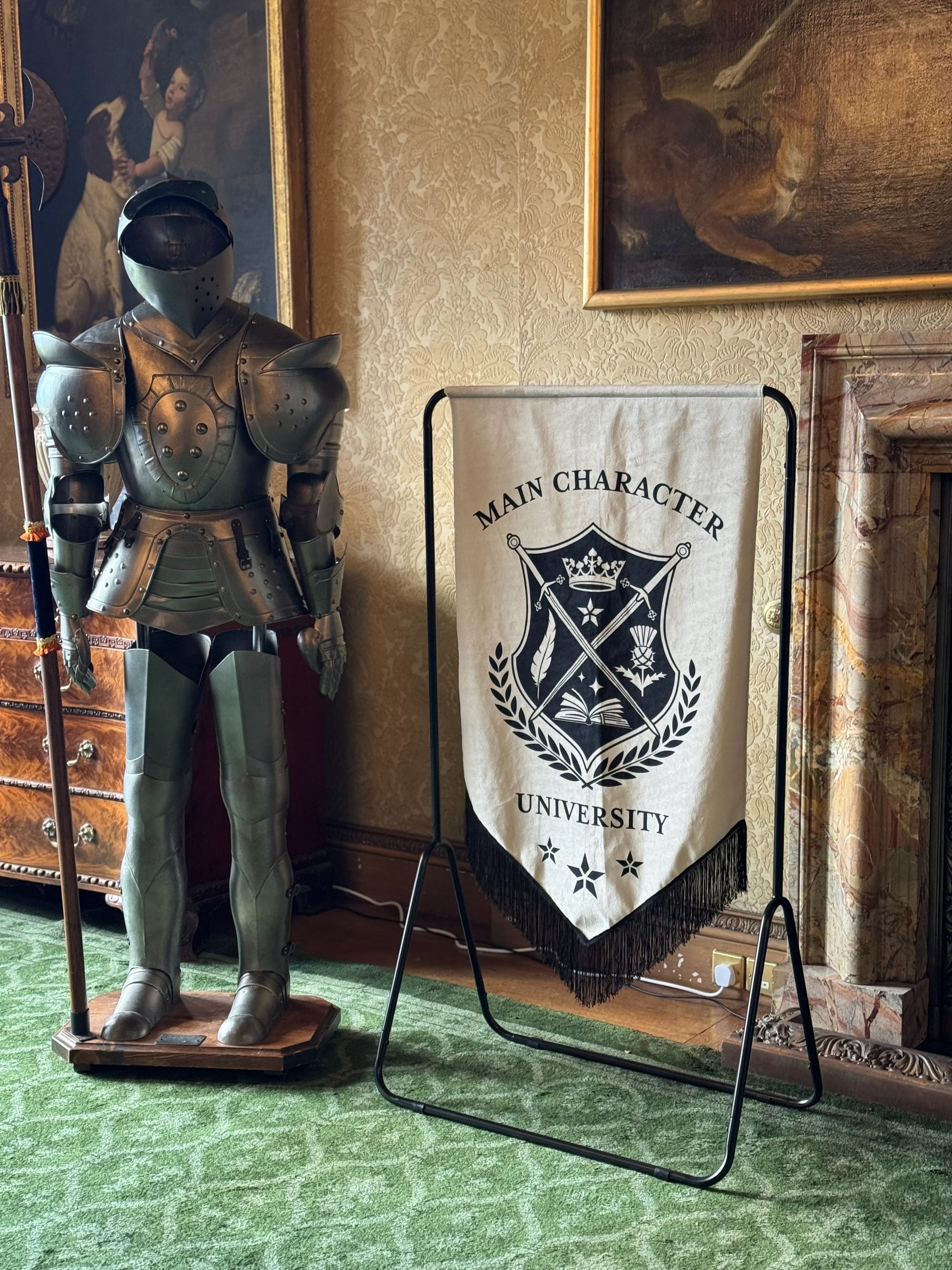
I had landed one of 45 coveted spots that 4,000 women had tried to secure at Main Character University, a five-day retreat in a historic building to learn medieval skills, dress in costume, and build the kind of community that usually only exists in novels.
We had climbed onto the buses early that day, a rainy, dark Scottish November morning, and wound through Glencoe toward the northwest coast. On the ride to the event, I was all in on the excitement, but a small, cynical part held back until the moment we crossed the bridge. Maybe I was self-judging from internalised policing? Maybe self-conscious about being the oldest person at MCU, faculty included, having turned 48 a few days before.
We all carry armour into new spaces: the protective layers we’ve built from past rejections, from being too much or not enough, from learning to dim ourselves to fit in. As a neurodivergent person, I’d spent decades perfecting the art of masking: calibrating my energy, moderating my enthusiasms, performing neurotypically in every professional and social space. I’d been carrying that armour for so long I’d forgotten what it felt like to arrive somewhere without it. But crossing that bridge, stepping through what felt like a veil into an alternate reality, I realised: maybe here, I didn’t need it.
The journey to MCU started years earlier with when I watched a viral video by Gabby Secomb Flegg—a stunning raven-haired Australian who’d found her way to Scotland and created Main Character Club. Researching a potential move to Scotland, I fell down the rabbit hole of her social channels: women in rich jewel-toned dresses with swords standing fiercely by castles, laughing groups dressed as Hobbits enjoying second breakfast and elevenses. From Seattle, I wanted to be there, to be one of those queens giving just the right number of fucks.
Somehow, a few weeks ago, I was.
TikTok and Instagram Reels give you a taste of what we experienced, but they don’t fully explain it. If you’ve ever wished you could step into the worlds you read about—the camaraderie of a found family, the warrior training, the warmth of a common room where everyone belongs—MCU understands that hunger and feeds it deliberately. The days melted into each other: sword fighting in the morning, chain mail after lunch, herbology and axe throwing, storytelling by the fire as evening fell.
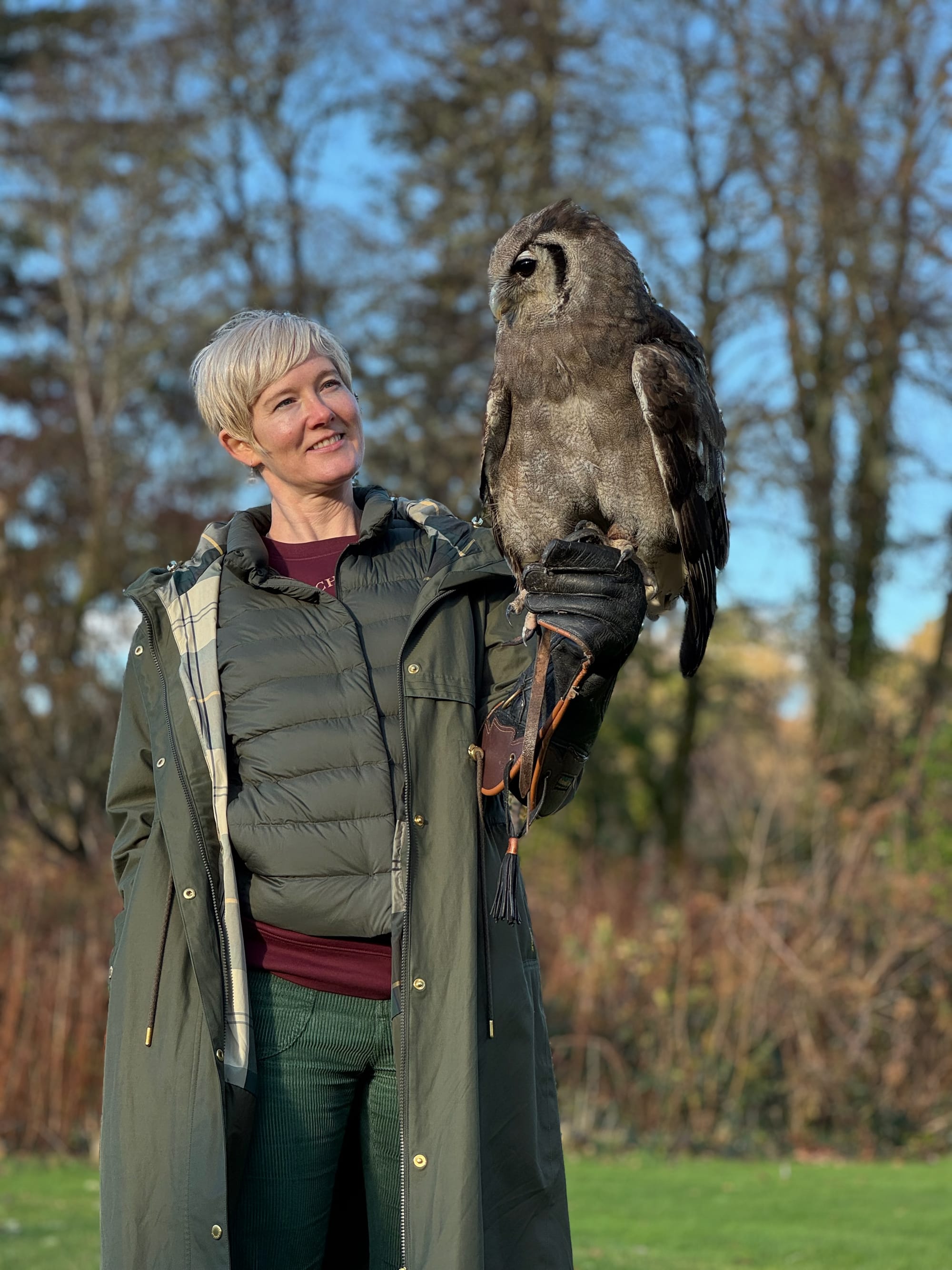
Professional photographers captured much, but some moments resist complete capture: like holding out your arm and feeling the weight of an Eagle Owl land on you. Earnie may not be the smartest, but seeing his high-definition feathers at that distance was ethereal. Watching him take flight in a burst of feathers and winter sunlight felt almost like flying myself.
I have returned changed, like I was away with the fair ones, and now find myself in a world a bit more drab, with less dancing and the silver laughter of my ladies missing. And yet, I’m carrying a lot less and holding myself more like a knight than any princess waiting to be rescued.
What made that transformation possible? I keep coming back to the same answer: the space. Not just the physical castle and Highland coast, but the boundaries of the event that created safety.

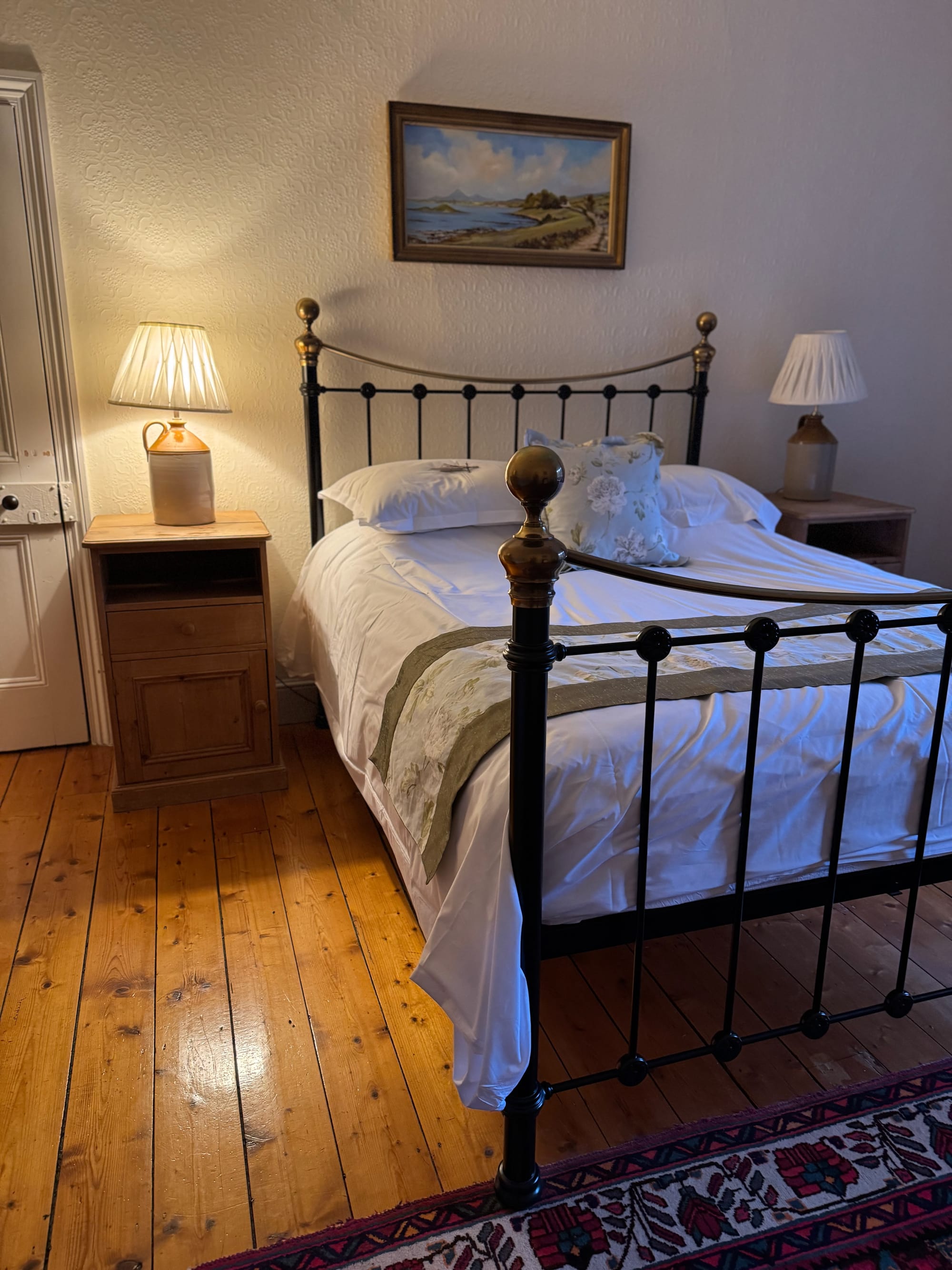
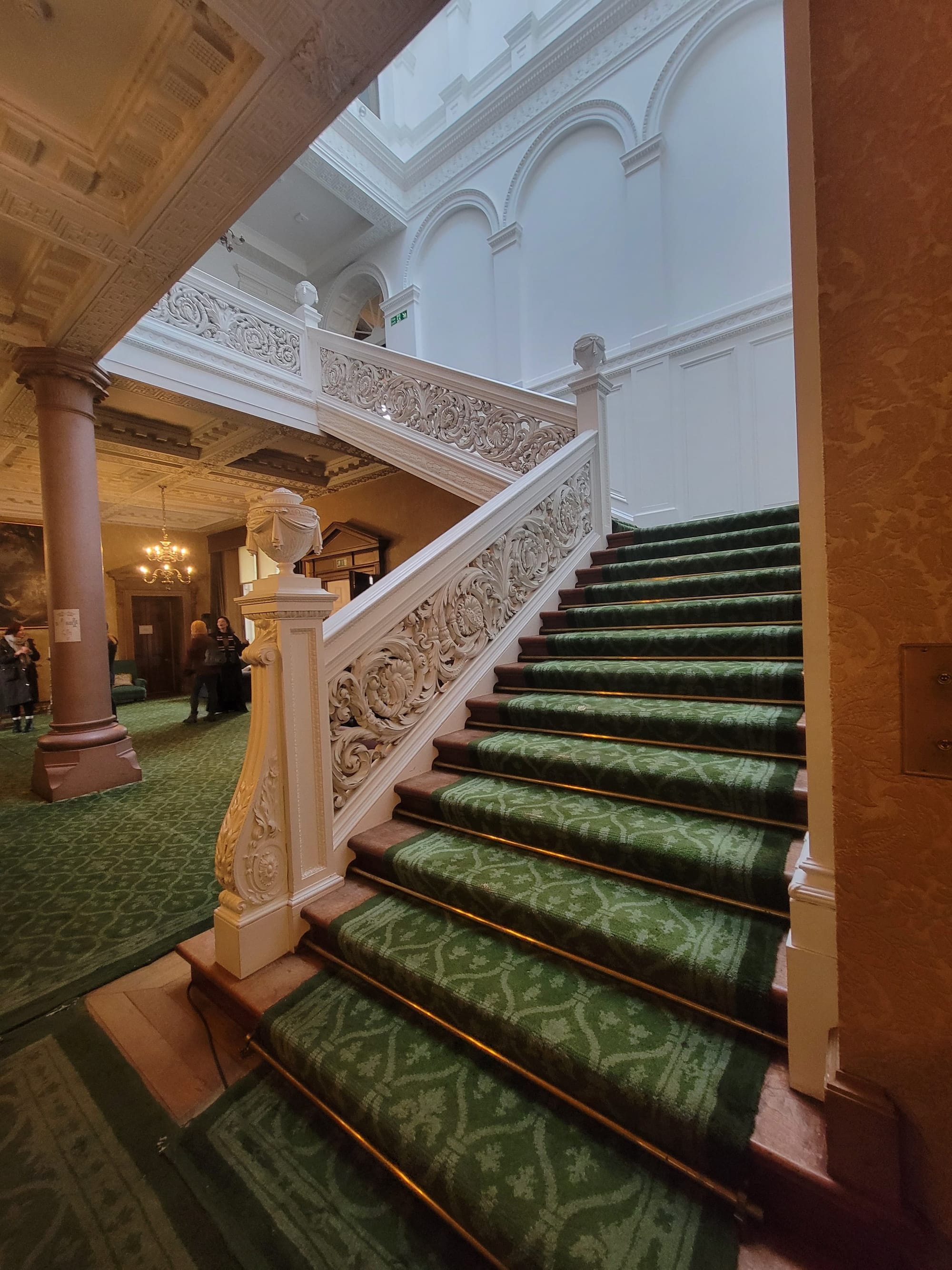

A Walled Garden
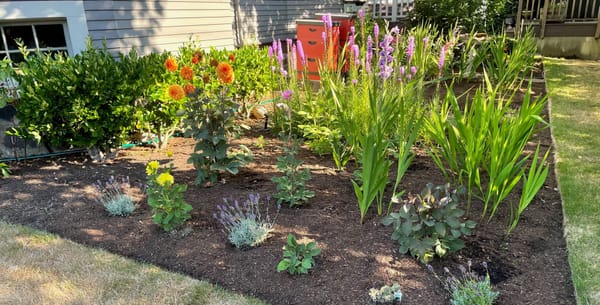
Living in Edinburgh, I think a lot about private gardens. Established by neighbourhoods as the city rapidly developed in the 1700s and 1800s, the city has a warren of curated gardens hidden behind wrought iron gates. Even the least botanically minded just want to know: what’s inside? I was lucky enough to have access to Dean Gardens in Stockbridge during my first year here. My egalitarian side feels strange hoarding these tiny paradises in any urban area, but I also see why small homes or flats are bought into these shared spaces. The ethics of private gardens is a subject for another essay.
MCU itself is a kind of private garden, and I’m keenly aware of the privilege required to walk through those gates. The cost of attending (travel, accommodation, the event itself) puts this experience out of reach for many women who might need it just as much, if not more. I felt grateful to afford this trip, to have the resources and circumstances that allowed me to attend. The transformation I experienced there shouldn’t require financial gates, and yet it does. I don’t have easy answers about access and healing spaces, only the acknowledgment that this particular path required resources not everyone has.
What stands out is how safe these spaces feel—and safety is what allows us to be unguarded. When you’re not constantly monitoring whether you’re too much or not enough, whether your enthusiasm will be met with eye rolls or encouragement, you can actually relax into yourself. I’ve started referring to the small online communities I belong to as walled gardens: small pockets of the internet free of trolls or toxic showboating. Some are developer or designer-focused Slack communities, a Discord server or two, and the Armoury, Secomb Flegg’s online community for Main Character Club girlies to gather. These are spaces where the gates don’t keep people out so much as they create boundaries that allow vulnerability in.
The Armoury and MCC community is unlike any other I’ve had the honour of belonging to. Women show up with their enthusiasms on their flowing sleeves: crafting, reading of all kinds, D&D, video games, LARPing, witchy ways, and so many other niche pastimes. No one shames them for being too nerdy or not nerdy enough. You don’t have to be into fashion or your appearance, but if you are, we’re here for it. Finally, a place where many definitions of womanhood and fandom interests are enthusiastically brought together.
The feed can be overwhelming, but the quiet spaces and corners for niche interests are fire: posts about a new bodice or Selkie dress, pics from a dress-up event, a cosy wreath-making gathering in a yurt. Everyone is authentically being themselves, without caveats or apologies. Zero flame wars, endless respect, and encouragement. Where else can you see that happen today in public venues?
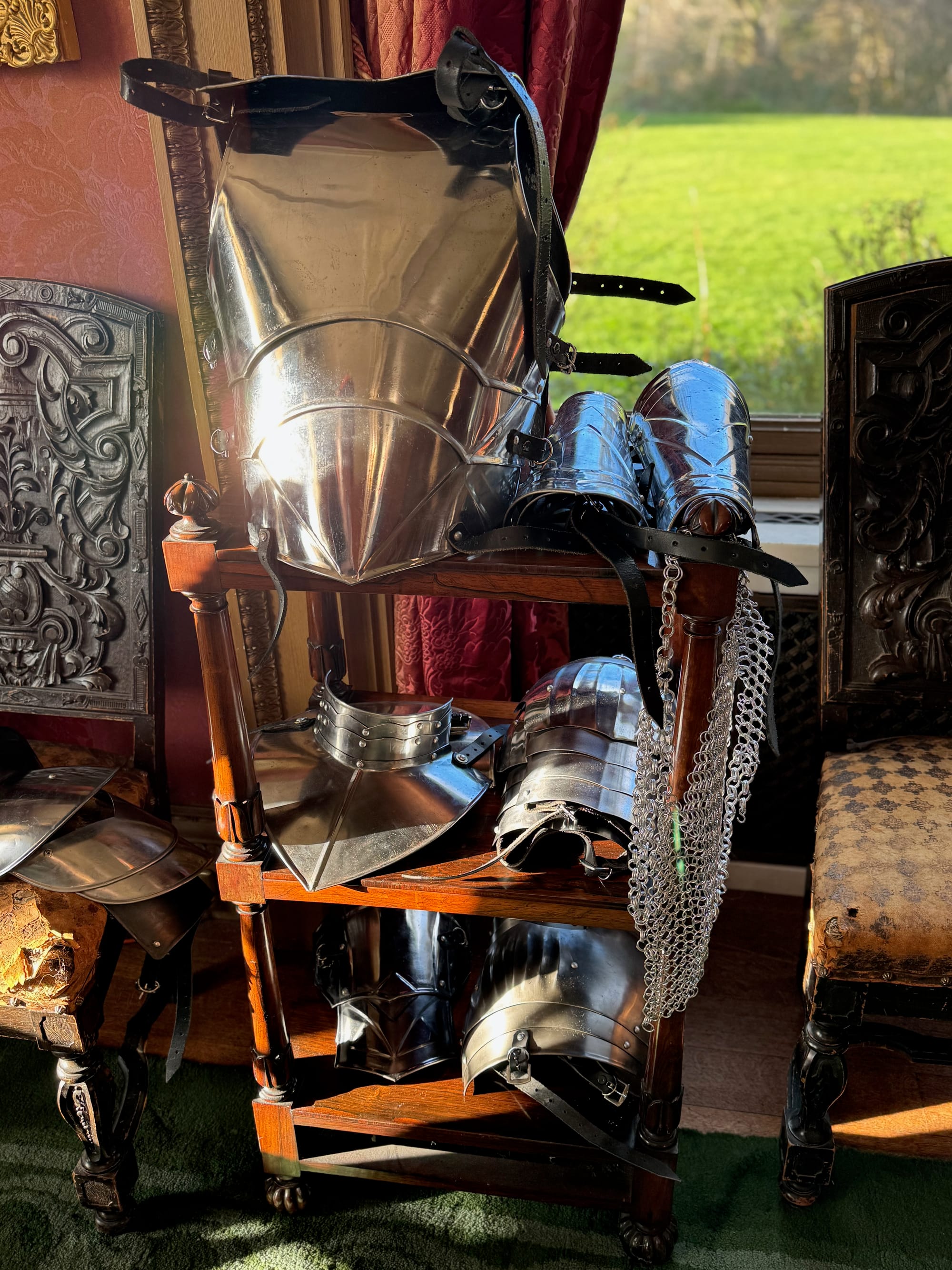
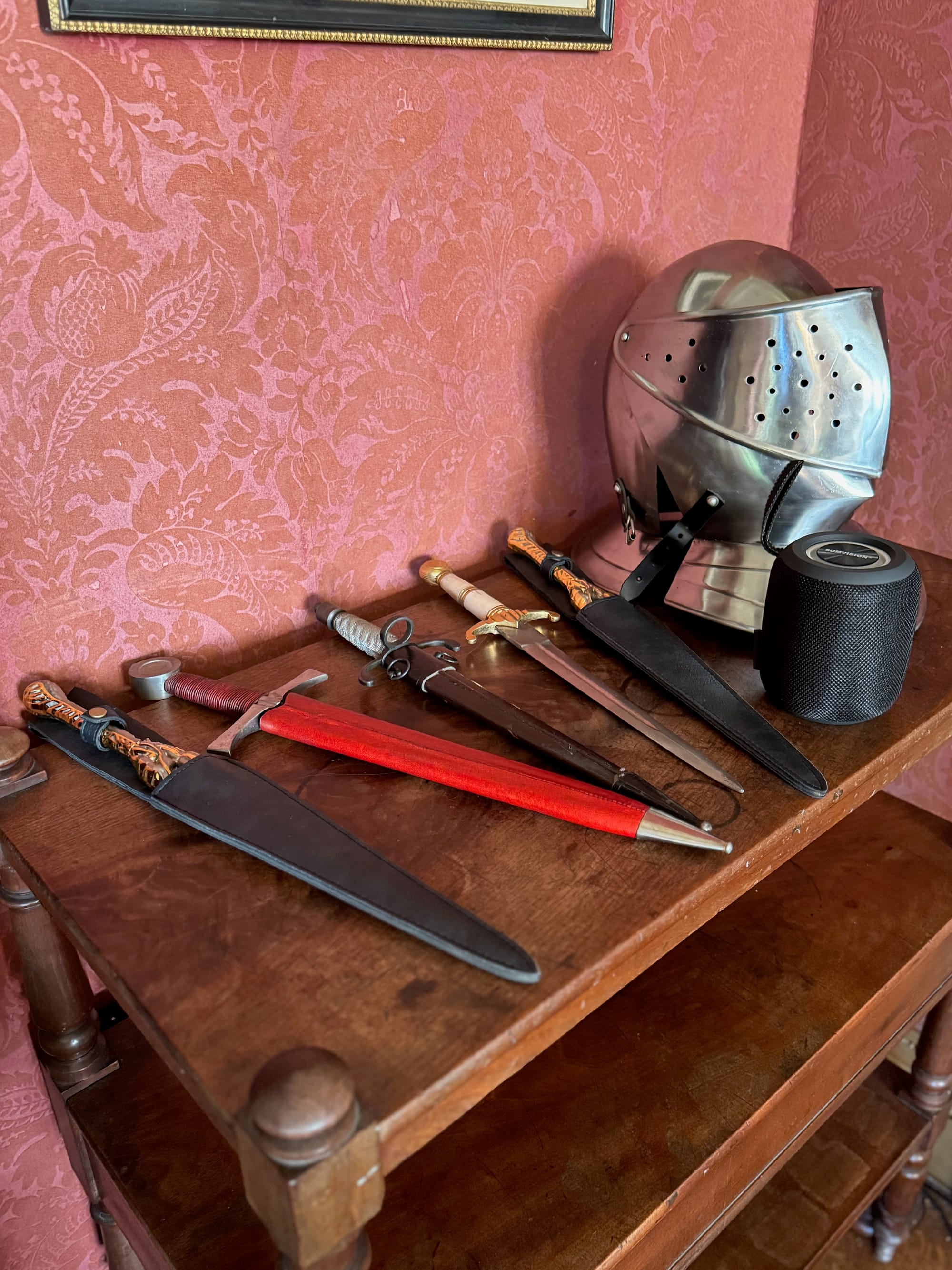
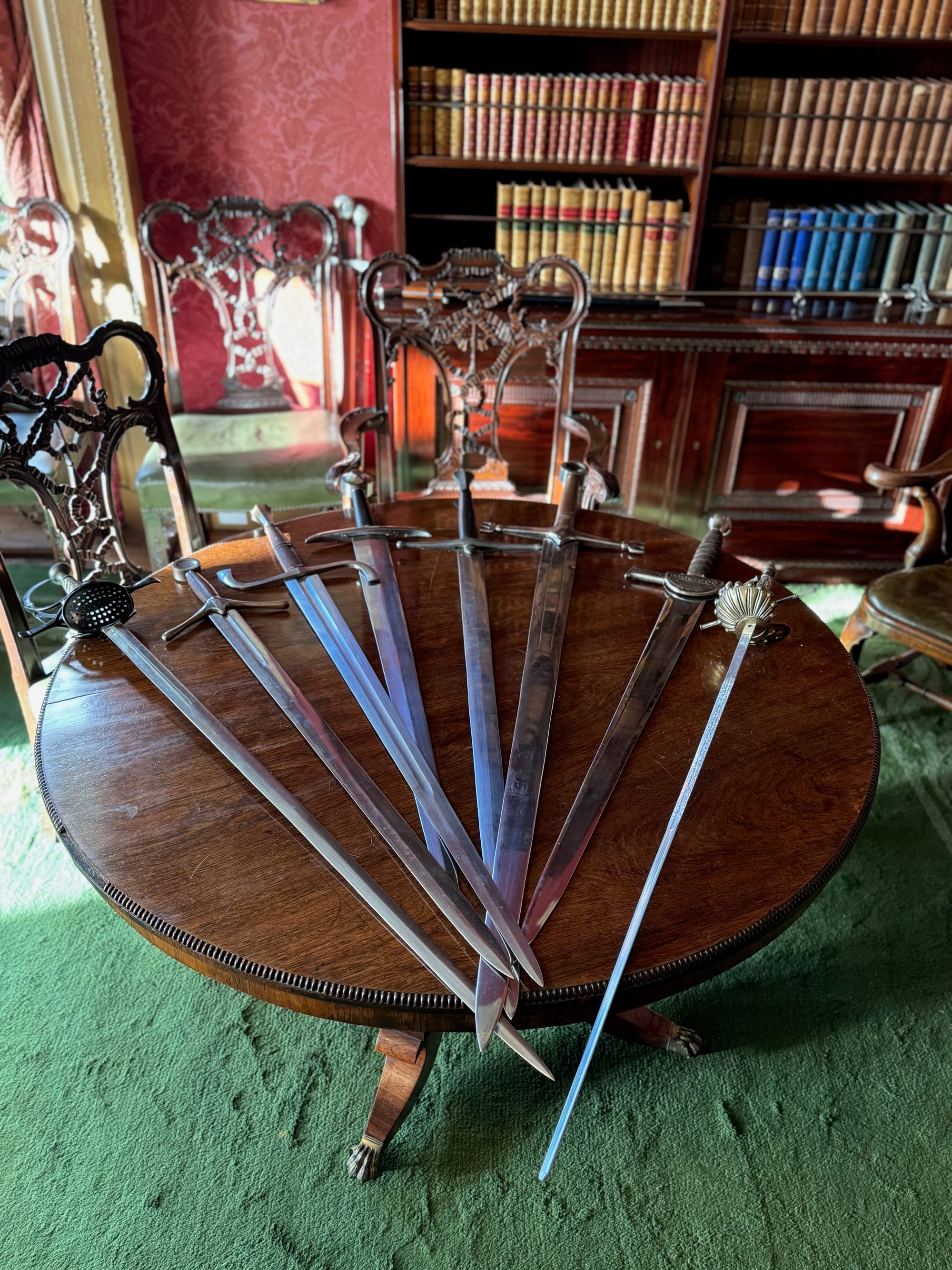
The irony isn’t lost on me: these venues let us take off our emotional armour, sometimes by encouraging us to make our own chainmail and take pictures in plate armour with giant fuck-off, shiny swords. The difference is choice and creative play. We spend so much of our lives wearing invisible armour: the careful curation of acceptability, the constant calibration of how much of ourselves is safe to show. In spaces like MCU and the Armoury, we get to set down that weight. And if we want to put on different armour (the literal, shining, medieval kind), we do it for joy, for photos, for the sheer pleasure of feeling powerful rather than protected.
We are all so hungry for connection and authenticity, but so many third spaces, online and in person, have disappeared over the last decade. Joining the Armoury feels like coming home to women around the world. A place to be authentic, to dress in ways society tends to sexualise, and to be able to enjoy it instead of feeling self-conscious and objectified. The dresses are about feeling magical and fierce as much as anything else. I’m a strange duck, showing up in my three-piece wool Walker Slater suit, but to fanfare vs. jeers, with this group of supportive queens shouting “Slay!” I’m just not in a dress era right now, and that’s more than okay: it’s accepting me where I am, which is what this community is about.
When you’re not spending all your energy on defence, you have energy for delight.
Allies & Trials
During Frolicking 101, I watched a witchy beauty slip away in tears. One of my photo partners, the classiest of wenches, caught it, and we both followed. Our emerald-clad friend was drowning in self-criticism over her photos, and being seen is harder for some than others, even when you’ve chosen to be there. But I could see what she couldn’t: the lighting was washing out her richness, flattening what made her luminous. Between the two of us, we coaxed her into better light, and suddenly the camera caught what we’d been seeing all along: someone radiant.
The next day, the universe returned the favour. I’d loved sword fighting, feeling like I’d stepped into Witcher 3 itself, but it had maxed out every bit of executive function I had. When we transitioned straight into chainmail, sitting still and wrangling tiny metal rings with two pairs of pliers, something in me simply gave out. The irony of breaking down while trying to construct literal armour wasn’t lost on me, even through the tears.
I found a quiet sitting room and let myself fall apart for a few minutes. Tea and a snack helped. Gabby and our transportation goddess Branka checked that I was okay, then gave me exactly what I needed: space to recover without having to explain or mask it. No judgment about whether my meltdown was reasonable. No pressure to push through or prove I was fine.
This is what walled gardens actually do: they don’t prevent breakdown, they make armour unnecessary. The Emerald Witch could hate her photos and be held through it. I could hit my neurodivergent wall and be tended to without shame. We could hold each other because none of us was spending our energy on maintaining the protective personas we’d built to survive less welcoming spaces.
So why do so few spaces offer that safety? Why did it take me nearly five decades to find communities like this?
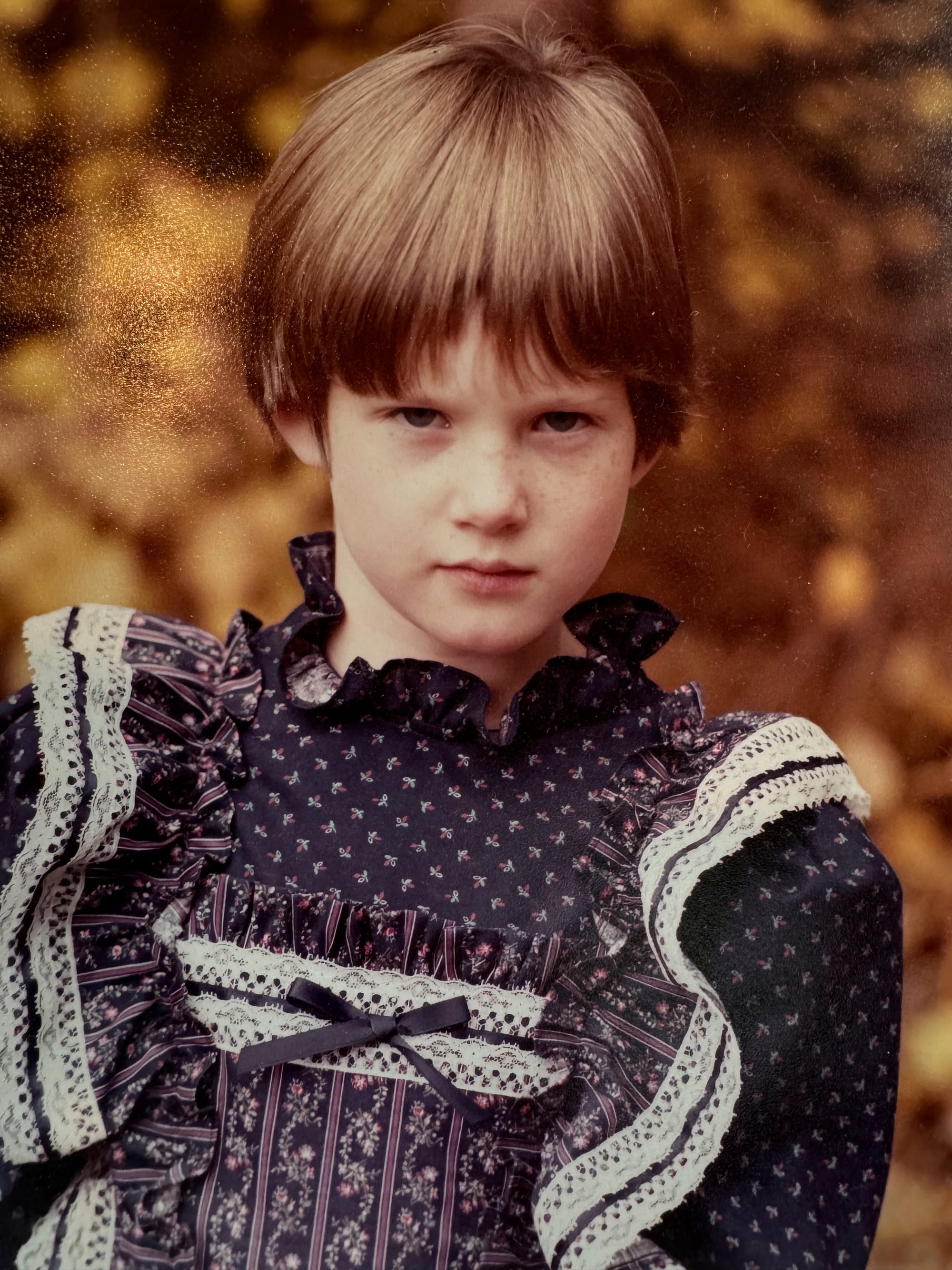
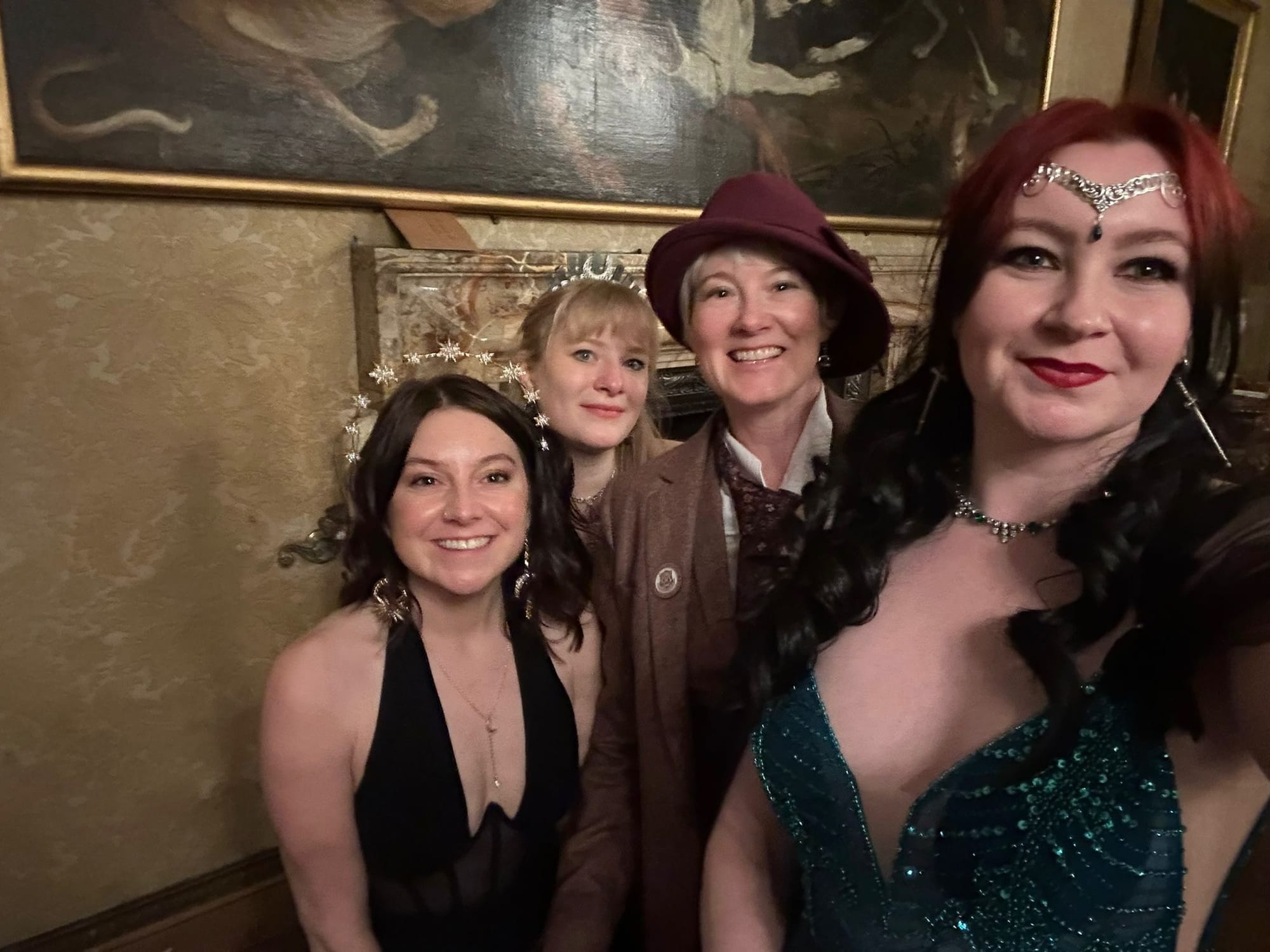
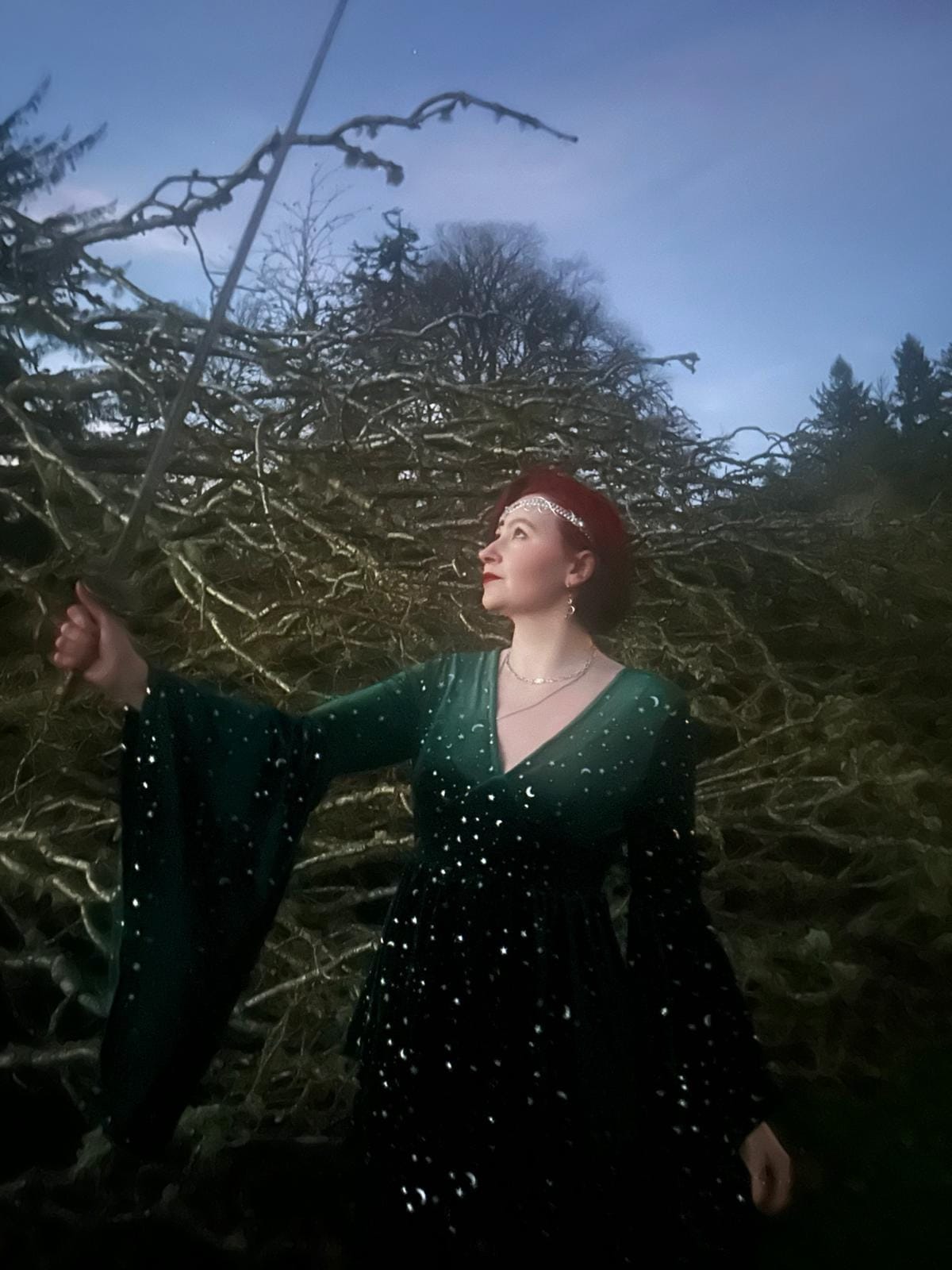
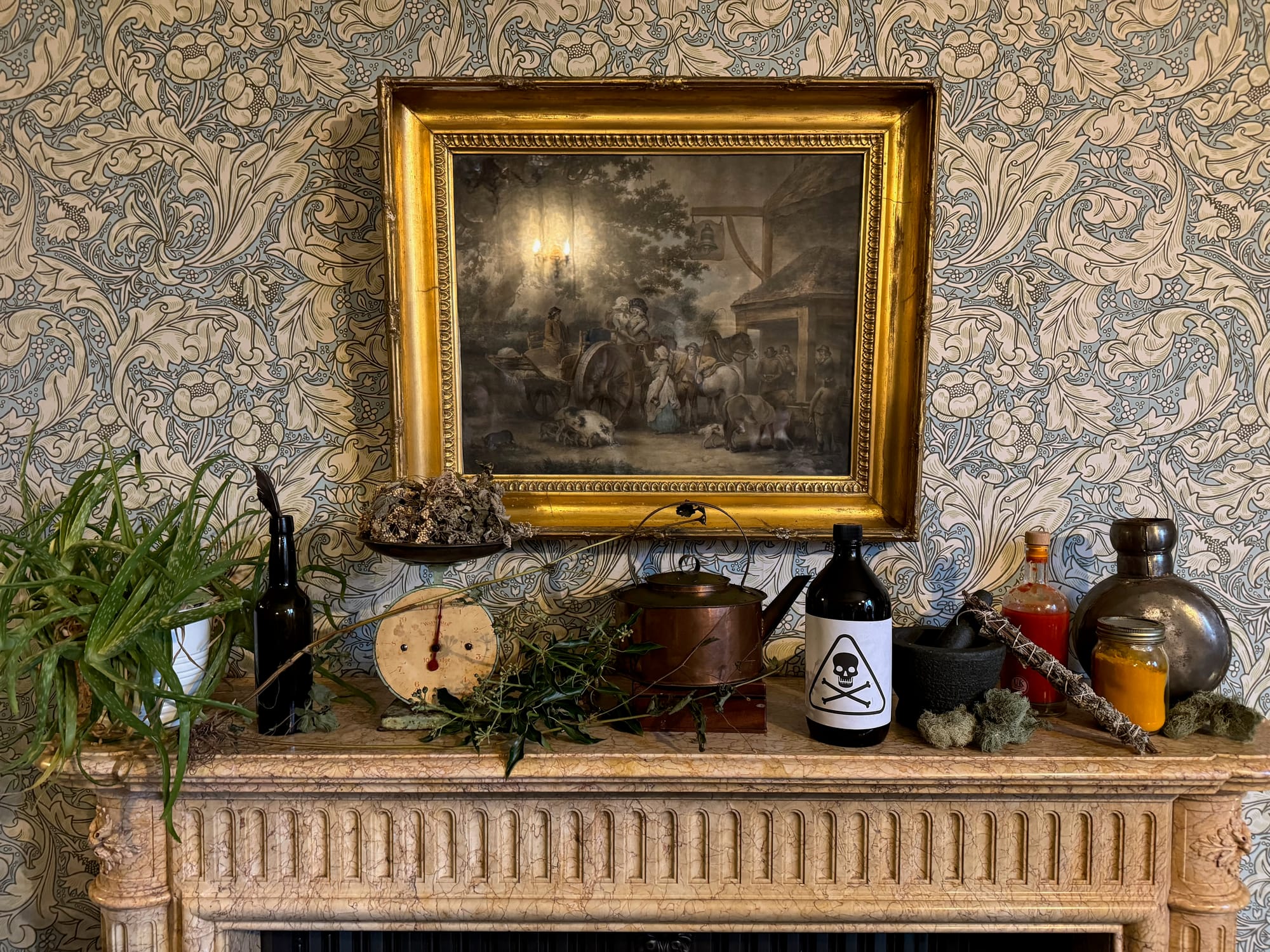
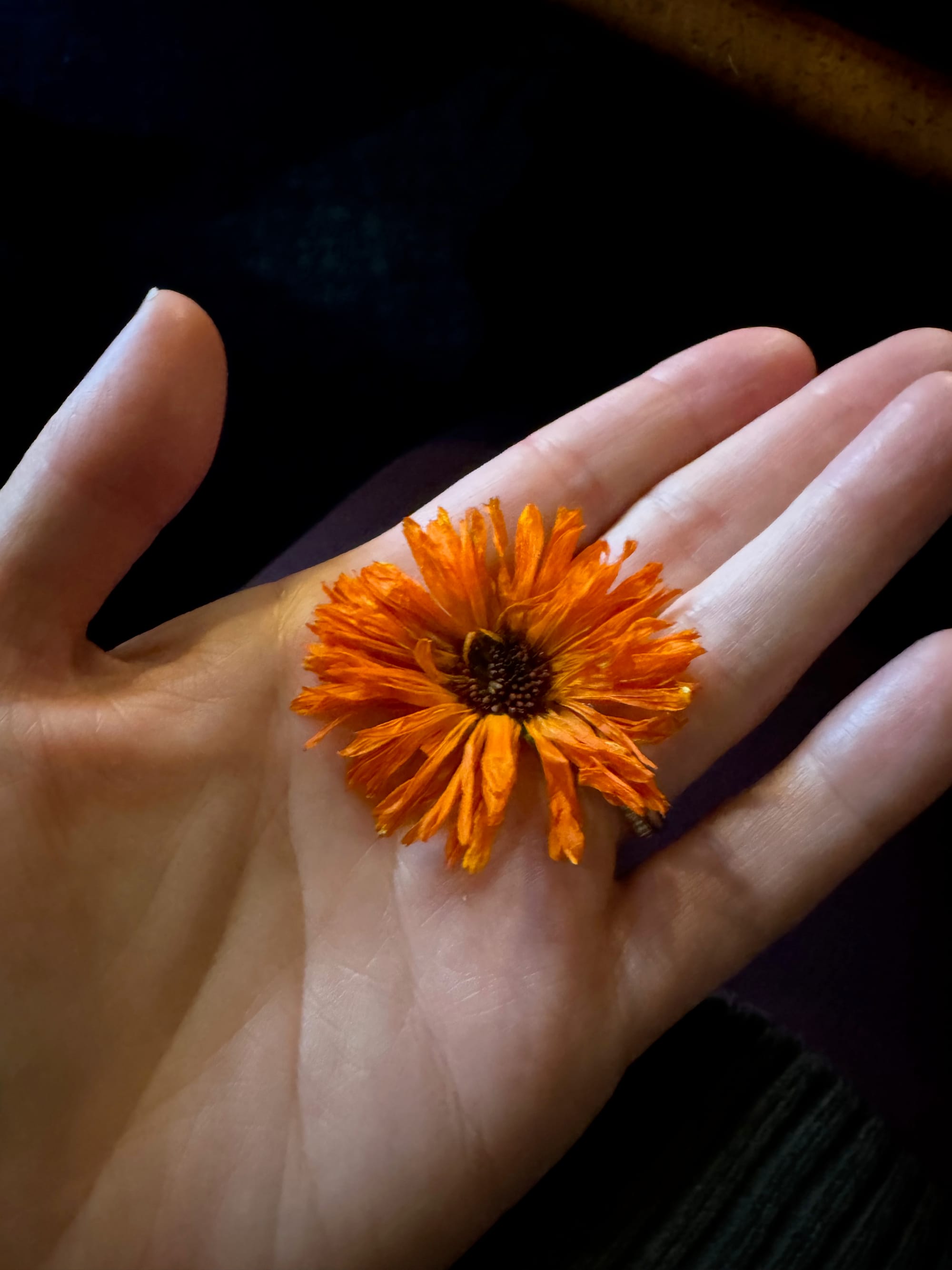
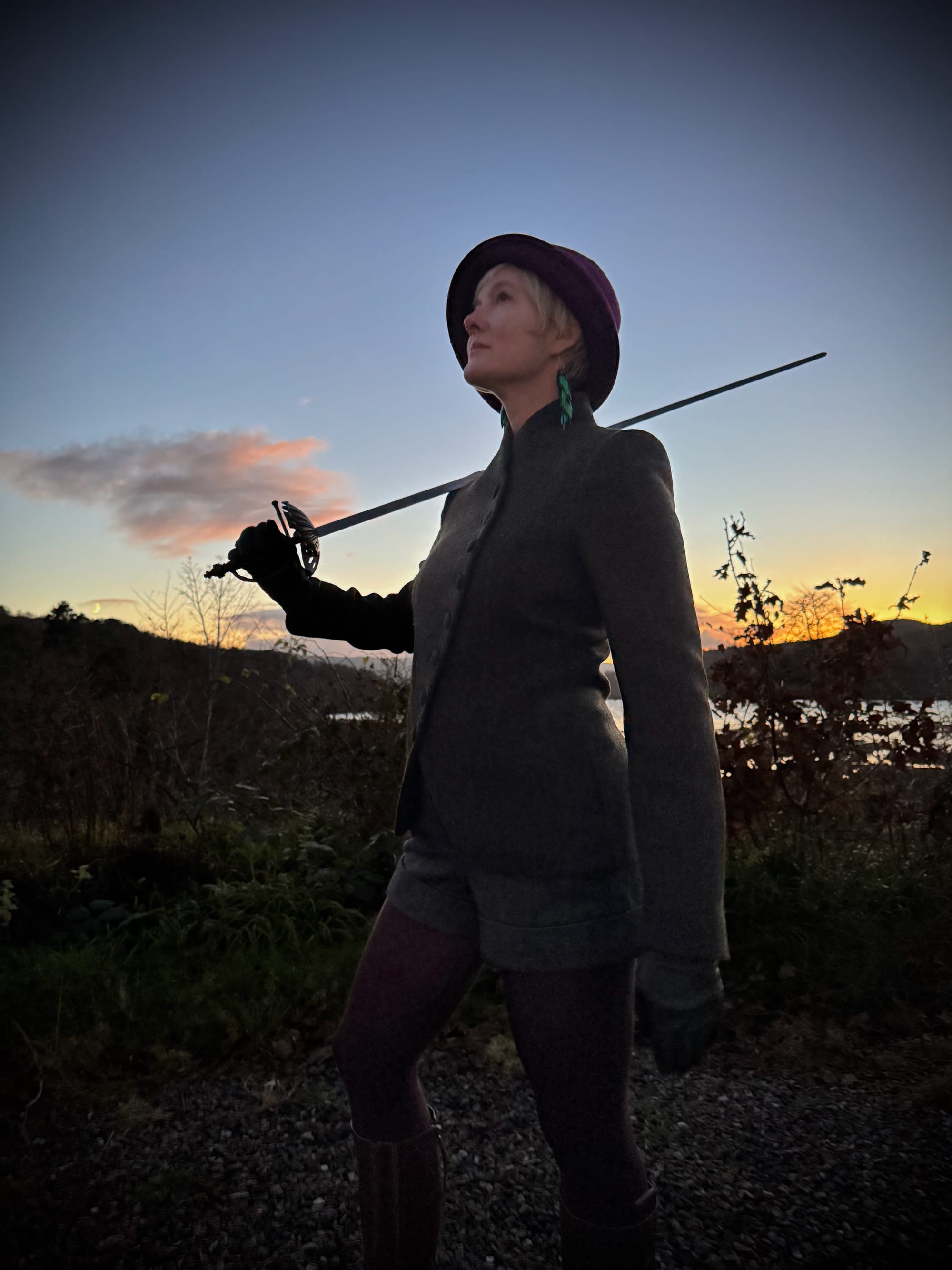
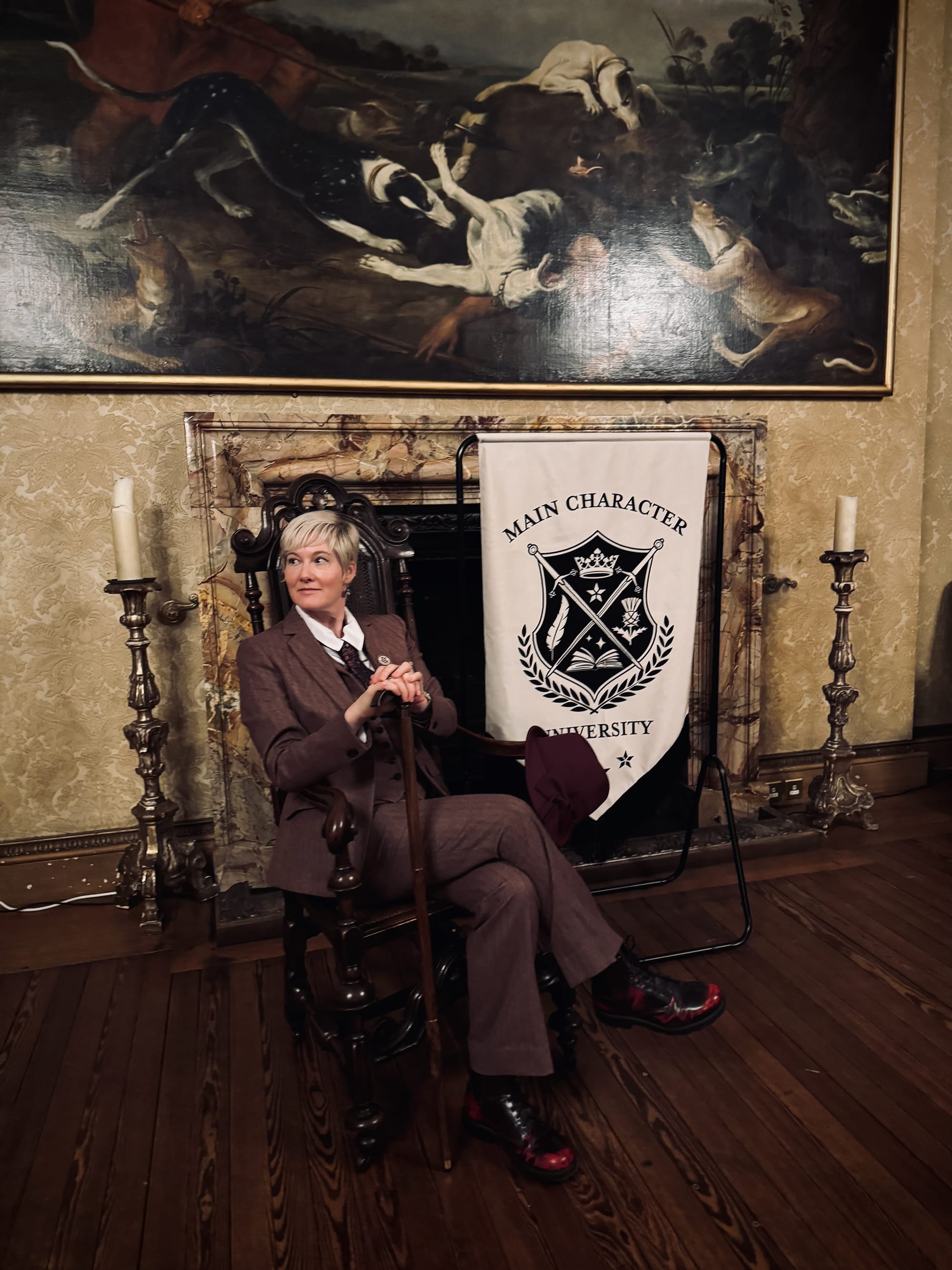
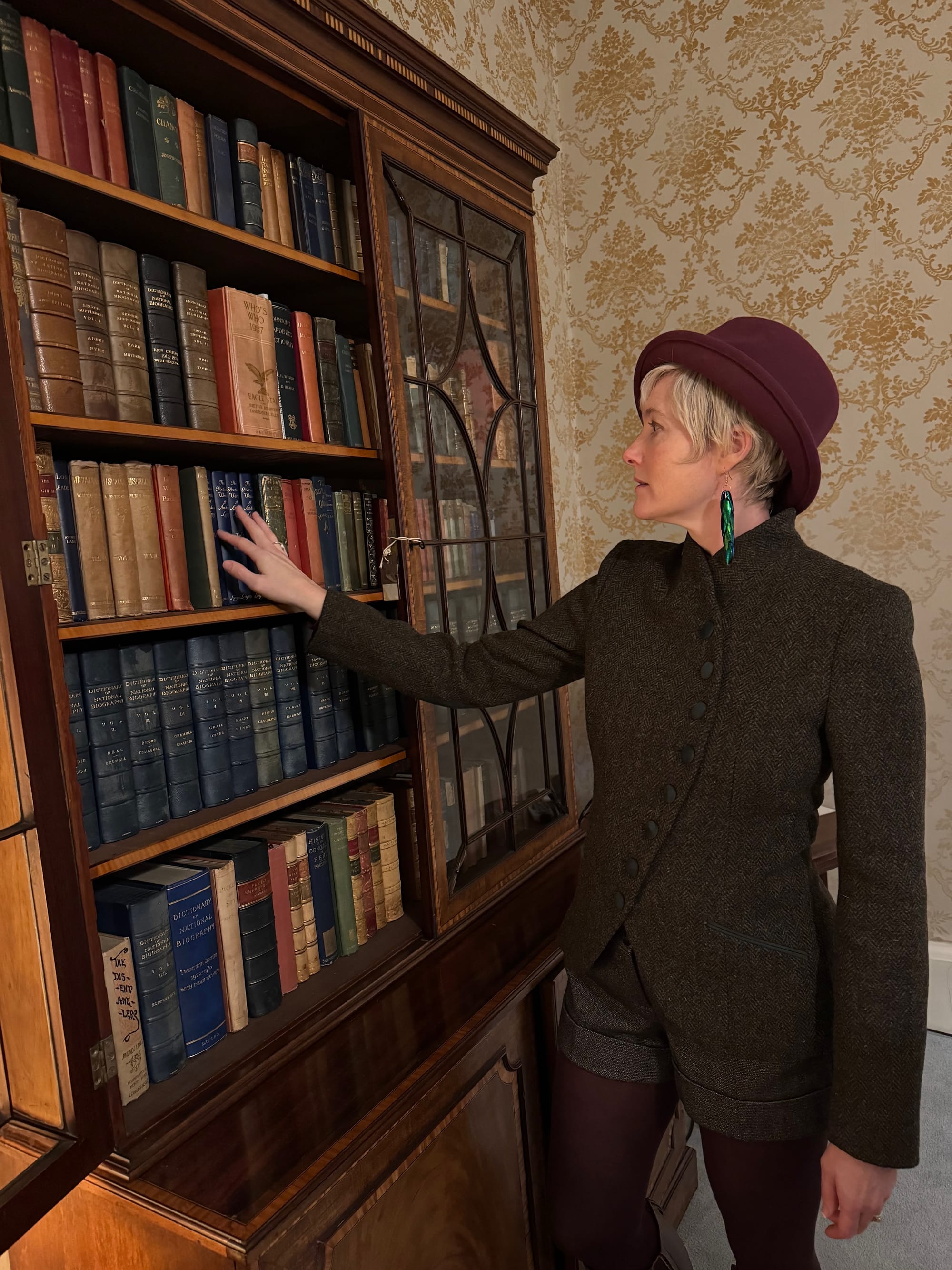
Child Caitlin shown so you get it... You see it now, right? The rest are fun from the event!
Descent
I have often felt like a character written into the wrong genre: too much sword and sorcery for the average crowd, too much interiority for the Comicon crew.
In practice, this meant never quite belonging anywhere. At work, my enthusiasm for narrative structure and storytelling frameworks marked me as too creative for engineering and too out there for design. In social settings, I’d light up talking about software product strategy and immediately watch eyes glaze over, but shift to discussing Terry Pratchett’s Discworld and face similar confusion from a different crowd. I was always translating myself, always code-switching, always performing a version that might fit the room I was in. The exhaustion of that constant translation is its own kind of armour: heavy, restricting, isolating.
When I was younger, I felt like I had to pick a camp: normie or nerd. Too neurodivergent to fit in mainstream American culture, I’ve always marched to my own drum. But the strangest bit was that the strongest policing came most often from women in the nerd camp.
In my twenties, I let roommates and a boyfriend move me into the clothing and makeup of a traditionally attractive white woman. I went from an angry kid with a bowl cut to the after photo in a makeover montage. I started getting promoted, moving into wider social circles. I loved the compliments, hungry for validation. I was building new armour, shinier and more socially acceptable, but armour nonetheless.
Then I would meet a woman at a party in an Invader Zim shirt, or overhear someone mentioning a fantasy book. I would light up and turn to engage as myself, rather than the mask, only to be fully rebuffed. This wasn’t a one-time encounter. It happened enough over a 15-year period that I saw a pattern: I was dismissed as too pretty, too normal to be considered a nerd.
Is this my ego speaking to shield my lackluster personality? Maybe. But verbatim, one woman spewed at me: “You are not a nerd, you are just a blonde bitch who read Harry Potter, and now you think you are one of us.” It was 2004. I’d just gone blonde for the first time, and I was fitter than I’d ever been from marathon training to raise funds for the Leukaemia and Lymphoma Society. I had not yet read Harry Potter, but could list dozens of fantasy and science fiction series I loved.
Why couldn’t I love Kate Spade and Baldur’s Gate? Each rejection like that added another plate to my armour: proof that showing up authentically meant getting hurt, that looking a certain way meant I’d never belong anywhere fully.
Why was this community of outsiders so bent on rejecting someone for not fitting the mould? Weren’t we, enthusiasts and fans, the ones who should be most welcoming of all?
I’d love to say I turned the other cheek and looked to build the community I wanted to see... but I did not. To my friends, I showed myself, but for most people I became a judgy brass-bound bitch. I didn’t just wear armour—it was God of War vibes with spiked pauldrons telling everyone to fuck off. I kept everyone at arm’s length with opinions like pikes. I was a constant pendulum swing between zero fucks and five thousand too many. And I drank. Oh gods, did I drink. I curated my image with high-end cocktails and wine pairings, but the volume was equivalent to quaffing.
In the heroine’s journey, you have to descend into the underworld before you can return transformed. My descent took years: a divorce that melted my people-pleasing persona down to the ground, getting sober, doing the actual work of finding who I was beneath all those protective layers. By the time I found Main Character Club, I was finally ready for a community that didn’t require armour. I’d already learnt to take mine off, even if I still feel naked.
There and Back Again
A few months ago, my friend Anna messaged me: “I feel like over the last year I’ve seen you have a return to your core self, and I love this.” She and I have both done our own work with Internal Family Systems, a therapeutic framework that posits we have a core self but, over time, develop protective parts to help us survive. Those protective parts I’d built, the polished professional and the careful curator of acceptability, were armour I’d mistaken for identity.
The thing about protective parts is that they’re genuinely trying to help. The part of me that learned to translate myself was protecting me from rejection. The part that built a professionally acceptable persona was keeping me employed and safe. But over time, those parts can become so dominant that we forget there’s a core self underneath: the person we were before we learned we had to perform to belong.
At the event, we were cared for, fed, hydrated, entertained, and, at one point, even taken to scream into the loch at night (a strangely satisfying catharsis). MCU wasn’t formal therapy, but I suspect that for many women, it gave them a rare opportunity to bring out their creative, brave, whimsical, magical core selves in a way they don’t get to while commuting to work or serving as apostrophes in other people’s lives.
I lived so much of my life as Travis’s wife (now ex-wife), Sarah’s friend, or so-and-so’s little sister; so deep in people-pleasing, I didn’t even know who I was or what I wanted. For a while after finding my core self, I was Goldilocks of fucks: one was too few, three was too many. But after a lot of calibration, suddenly the number of fucks I gave was just right. I still love Kate Spade bags but also love BG3 and will tell everyone about why Karlach is my favourite companion. I don’t have to conform to anyone’s vision of what being a woman is today except my own.
I have to admit, my social limits mean I missed a lot of late-night games like hide-and-seek, ghost hunting, or floor time at MCU. I know myself and skipped shooting because the noise would be too much. But I still enjoyed my time on the sidelines. I wish I could be back there, laughing hysterically over dinner, hearing the plot summary for “Unhinged,” a book about a woman who falls in love (or maybe lust) with... a door. I don’t think I have seen so many tears, happy or sad, in such a short time; especially listening to Donna’s stories by the fire... but what stands out is that this group of women felt safe enough to take off their armour and allow themselves to show their feelings for a few days. What a sweet rarity, to exist without reproach or limits.
And that journey is not over; it continues on WhatsApp, Instagram, and in the Armoury. My heart takes flight like Earnie, that glorious Eagle owl, as I see these women come into their own lives through healthier means than I managed. In a world focused on standardisation and the commoditisation of everything, this feels like a form of rebellion: reclaiming our core selves at sword point. Learning that the heaviest armour we carry is the set we built to survive spaces that never truly welcomed us. And discovering that in the right communities, the walled gardens where we’re invited to be wholly, unabashedly ourselves, we can finally set it down.
Acknowledgments
To the 44 other women who crossed that bridge with me: thank you for creating a space where we could all set down our armour. Your bravery, enthusiasm, and kindness made the magic real.
To Gabby and the extraordinary team who made Main Character University possible (Ashlee, Natalie, Robynne, Holly, Vain, Claire, Donna, Branka, and everyone who worked behind the scenes), you didn’t just organise an event. You created a threshold we could cross into our true selves. Thank you for holding that space with such care and vision.